Every alarm in my ADHD son's room ended with me at his door. College was next.
My son is in high school and has ADHD. I had started every morning for him for six years. If I did not wake him, he did not get up. If you still wake your teen yourself, you know why I kept going back.
I am Mara. I am 46 and live in a small Ohio town. I handle insurance claims from home.
My son can do hard things. He can focus for hours when something matters. He makes choices and solves problems. He wants more freedom from me.
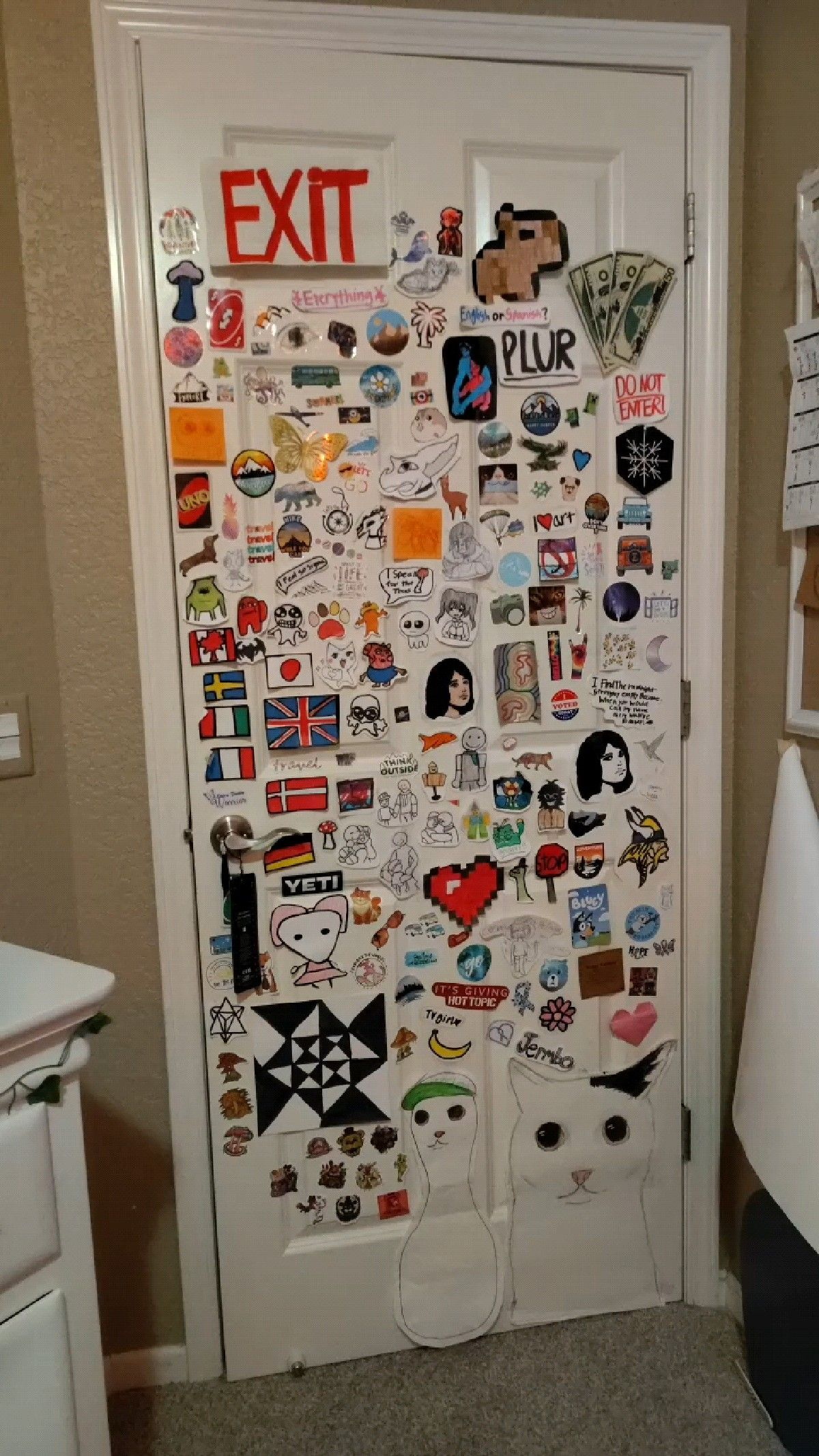
His alarm rang behind his bedroom door. I waited at my desk and listened. Then I opened his door and woke him myself. I returned to work and checked on him minutes later.
Many days, he had gone back to sleep. I opened his door and said his name again. I waited until he sat up. Even then, I kept listening for him to move.
This was not about him being lazy or me being too soft. The alarm could ring for a long time. He could turn it off and remember nothing. I still had to finish the job.
That cost us in small ways. I stopped reading work messages halfway through. I left claims open on my screen. Each check made me lose my place.
His first clear moment came after I had said his name again. By then, worry was in my voice. He heard pressure, and I heard anger in his answer. We both started the day upset.
I knew he was not choosing to sleep through sound. I also could not let him sleep all morning. Each rescue got him up that day. I still did not know if he could begin without me.
College was getting closer. Work was not far behind it. I kept wondering who would open his door when I was not there. I could not follow him into a future job.
I could help with later steps. But I could not stand outside a college room each morning. I could not keep calling until he moved. I needed proof he could begin without me.
One school day, I decided I would not open his door. His alarm rang while I stood in the hall. I made myself walk away. I wanted him to get a real chance to act.
I returned to my desk and tried to work. I read the same claim twice. Then I watched the time pass.
The alarm stopped. The house stayed still. I waited for footsteps that never came.
Every part of me wanted to check. I told myself he needed a chance to act. So I stayed at my desk longer.
Later, I went back down the hall. I stood outside his bedroom door and listened. Then I opened it.
He was still asleep. I woke him. He looked at me and asked, "Why didn't you wake me?"
I stood outside his bedroom door after he got up. I could not stop hearing the word you. He did not think it was time to rise because I had not come in. He expected me to return.
The alarm was only the first sound. I was the sound that counted. That scared me more than one missed morning could. His morning still began when I entered his room.
I did not blame him or myself. We had repeated the same rescue for years. The room filled with sound, then I stepped in.
That night, I wrote a Facebook post. I asked how other mothers stopped starting the morning. I did not want another plan that required me at his door.
A mother named Renee replied. She did not blame me or my son. She asked if we could talk by phone the next afternoon.
Renee had 19 years of pediatric nursing experience. She had also spent eight years in a children's sleep clinic. She understood why mornings can be hard for teens. For once, nobody called it a bad attitude.
She first asked what happened in our house. I told her about the alarms and the checks. I told her about his bedroom door.
I also told her what my son had asked me. Renee stayed quiet for a moment. I pulled a blank claim sheet toward me. Then she asked my permission.
"May I get technical for a minute, then explain it in plain words?" I said yes. I pulled a blank claim sheet toward me. I wanted to write down every word.
"Teen body clocks shift later," she said. "That is called teenage circadian delay. Their brains often want sleep later at night and later in the morning." "School does not shift with them," she said. "That can build sleep debt."
"Then morning can arrive during deep sleep," she said. "His waking threshold may be high. Sound must break through sleep before he can act." I pressed my pen hard enough to mark the sheet below.
I pressed my pen hard enough to mark the sheet below. For once, nobody was calling this a bad attitude.
Renee continued. "Kids with ADHD are harder to wake in the morning. That's a 2009 review of 16 studies."
"That review helps explain the problem," she said. "It does not prove that any product works. It tells us this pattern is real." She told me deep sleep raises the bar for any sound trying to wake him.
She said a tired brain can hear sound without fully waking. It can tune out room noise that keeps repeating. My son could turn off a loud alarm and not remember touching it. His hand ended the sound while his body stayed in bed.
I looked at the notes under my hand. Turning off an alarm was not starting a morning. I had treated them as one event. That explained something I had seen for years.
"More room sound still faces the same high waking threshold," she said. "If repeated room sound fails, someone else must step in."
"That person became you," Renee said. "You did not cause his sleep problem. You kept school mornings from falling apart."
"But each rescue gave the morning the same order," she said. "First comes sound. Then comes Mom. Mom becomes the emergency pathway."
I looked down the hall toward his bedroom door. I saw every morning I had reached for its handle. Renee said my voice arrived while he was still half awake. It was a person asking him to act.
I thought about his face when I asked again. He had no clearer head or calmer nervous system yet. My voice rose while he was still waking.
The first rescue shaped what came next. It did not cause every later problem. But it placed us against each other at the start.
I rubbed the mark my pen had left on the next page. I was relieved that the pattern made sense. Nobody had blamed my son or me. I was still afraid it could not change.
Renee used one example that stayed with me. She told me to picture a locked front door. More noise outside does not put the key in the lock. "You need a cue that reaches him another way," she said.
She said a private wrist vibration can reach his body without filling the room. It does not ask repeated sound to cross the bedroom.
It is not a louder version of the same alarm. It uses touch at his wrist. Only he gets that cue.
The wrist cue does not tell him to do anything. It is not an order from Mom. It only gives him a private signal that he must dismiss.
I put my hand around my own wrist. The idea seemed almost too small. That was why I needed to understand every part.
"The key part is ownership," Renee said. "He has to take the first action. He feels the cue, sits up, and dismisses it himself."
She said sitting up matters because his body must join the action. He cannot end the cue by making one half-awake tap beside his pillow.
I thought about the steps after waking. He would not become ready at once. ADHD could still affect what followed.
"It does not fix his body clock," Renee said. "It does not erase sleep debt. It does not solve every part of his routine."
"It changes who begins the morning," she said. "When Mom is not the first demand, you enter later, before your voice has risen."
I had only asked if an alarm could make noise. I had not asked who began the morning. I could enter after he was awake.
I repeated the front door example. More noise outside did not put the key in the lock. We had spent years making more noise. Now I understood why that never changed the first step.
Then Renee asked about what we had tried. "Walk me through them."
I started with the thing I trusted most. I woke him myself because school still starts. I could not watch him sleep through the day.
Renee understood why I did it. She said a parent steps in when a child cannot wake. But the first thing he hears is you.
"You became the alarm because the alarm failed." Next, I told her about phone alarms at full volume. I told her about the loud alarm clocks we added.
Renee said that made sense too. Sound was the tool we knew, so we used more sound. But his half-awake hand could still shut it off.
The room heard the alarm. I heard the alarm. He did not take the next awake action.
"The alarm wakes the house. You still wake him." Then I told her about routines, bedtimes, and sleep apps. We worked on the whole morning system.
Renee said those steps can help. Bedtimes can support sleep, and routines can reduce choices. But the plan still needs an awake teen.
The app could track sleep. The routine could list the steps. Neither could own the first action for him.
"The routine starts after the part that ruins the morning." I read my notes. We changed the volume and the plan. I still entered his room when they failed.
I wanted something that did not depend on room sound. I wanted no spoken order from me. I needed him to end the cue himself.
I also needed the limit to stay honest. He might still need help later. The band would not make every morning easy.
The goal was smaller and more important. He would take the first action. Then I could meet him after he was awake.
I asked Renee the question I had wanted to ask from the start. "What can I actually do?"
She said, "I would try Dawn Band." That was the first time I heard the name. Renee did not make a huge promise. She said Dawn Band gives a private tactile cue on the wrist.
There is no room sound. There is no order from Mom. He feels the cue and dismisses it himself.
A fitness tracker gives up. Dawn Band does not stop on its own. It keeps going until he sits up and turns it off himself.
That difference mattered to me. My son could not silence it once while half awake and let it end. He had to take part in stopping it.
It is not a phone and it is not a smartwatch. It has one job. Dawn Band is a small company and this is the only thing they make.
Trusted by 10,000+ parents. I still had doubts. A wrist cue sounded simple after six years at his door. Louder tools had not solved our problem.
I did not expect it to repair every part of his morning. I wanted to test one question. Could he begin without hearing me first?
Week one brought almost nothing. I listened to every sound from his room. I kept waiting for the band to fail. I still stood near the hall more than I needed to.
I still stood near the hall. My hand was ready to reach for his door. Six years of checking stayed with me.
Week two gave me one small signal. On one school morning, I heard him moving before I walked to his bedroom door. I stopped in the hall because I did not trust it yet.
I stopped in the hall and listened. The movement continued. Week three surprised me in a different way. I got dressed without checking his room.
The morning passed without my usual trip to his door. I finished one claim without losing my place. I noticed after I sat at my desk.
Week four was modest. 3 school mornings out of 5 began without me opening his door. On 2 mornings, I still checked. That was not perfect, but it was more proof than I had before.
Week six, my own mother visited. She watched our mornings without saying much. At the end of the week, she looked at me. "You did not go back to his door once this week."
I had not noticed the count. I was still listening for failure. She saw a change that I was afraid to name.
Week eight gave me 7 school mornings in a row. Each began without me opening his bedroom door. I still listened before trusting it.
That habit stayed with me. Six years of worry did not leave in eight weeks. I did not pretend otherwise.
But I did not open the same bedroom door. My son got up on the other side. My first words came after he was awake.
They were not wake-up orders. I spoke to my son after he began his morning.
The later routine did not vanish. He still had steps to remember. I still helped when he needed help. But I was not the first demand.
I am not going to tell you it was a miracle. I am telling you what happened in my house. I feared college or work would arrive while I still started every morning. Those 7 mornings gave me real proof.
The guarantee did not prove every teen would wake. It gave us time to test the band in our home. If it did not fit, we could request a refund.
100% money-back guarantee. 60 nights.
If by the first week you see almost nothing, you still have time. One morning is not the final answer.
If by the second week you hear one small sign, you can count it. It need not be perfect.
If by the fourth week he begins some mornings himself, you will know it is possible. You can still help later.
If by the sixth week someone else notices, you may see how much that door shaped your day.
If by the eighth week your first words come after he is up, you may notice the change. If you want to read about the band we tried, it is here.
👉https://dawnbands.com/products/wake-up-band-adhd
You can keep doing what you have been doing
I did it for six years because my son had to get to school. College and work were coming. I could not wake him forever.
I did not need him to stop needing me. I needed proof that he could begin one part without me. That proof changed how I saw his future.
Thank you for reading.
Mara
P.S. I still think about that bedroom door. By week eight, I could leave it closed.
P.P.S. The 60-night guarantee is a refund promise. It is not proof that every teen wakes. It gave us room to test it at home.
P.P.P.S. I did not need every morning problem to disappear. I needed my son to own the first action. Then I could meet him after he was up.
👉https://dawnbands.com/products/wake-up-band-adhd